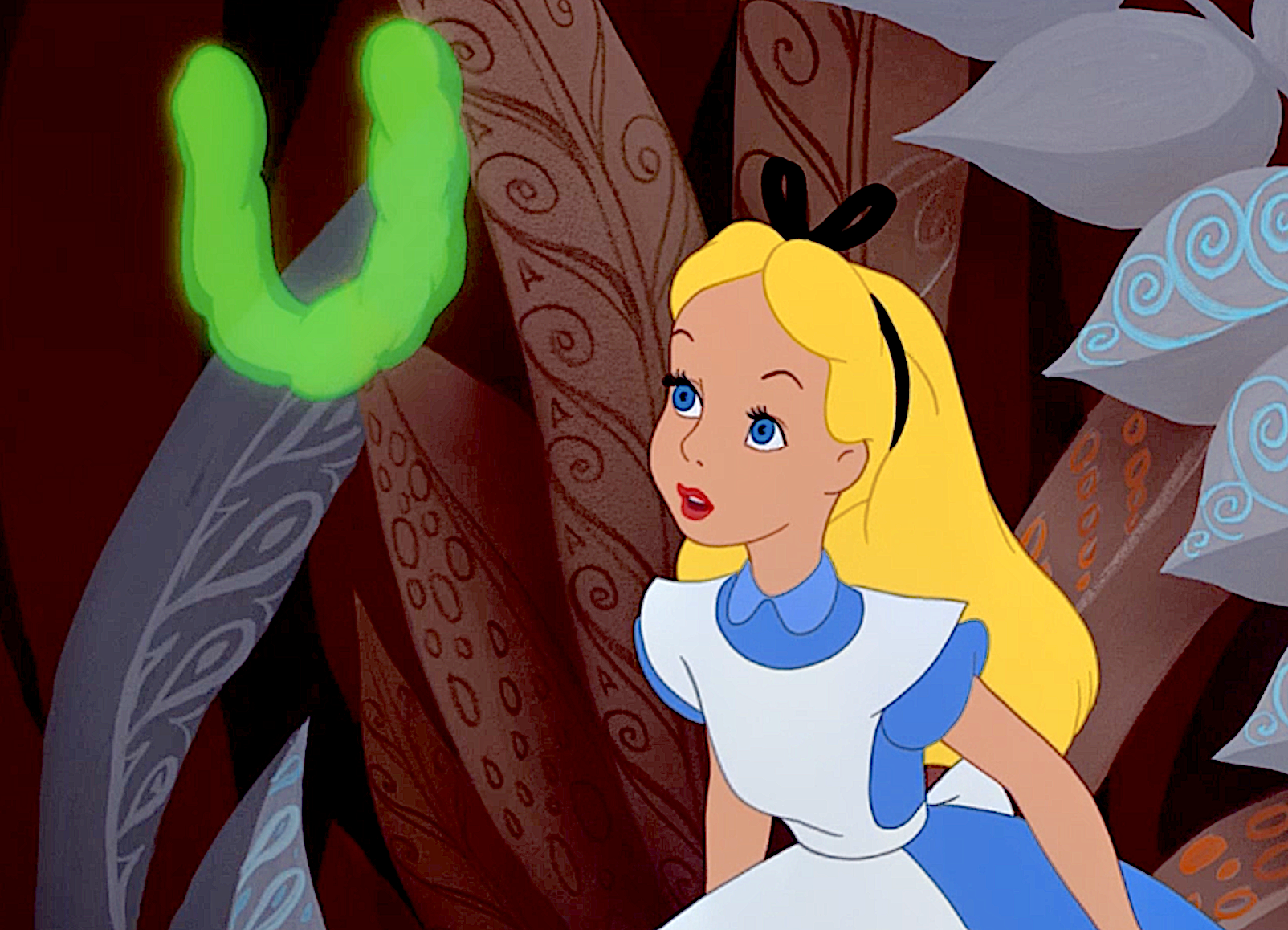
"U" count
You make a difference The success and sustenance of both physical media and heritage catalog films, TV and music depends on your numbers.
It is an industry fact that, if enough people prove there is a demand for back catalog titles, the numbers convince the decision-makers to continue releasing and marketing classic content — and please note that this is true whether the material is released though their own company division or licensed to business partners that focus on specific target consumers.
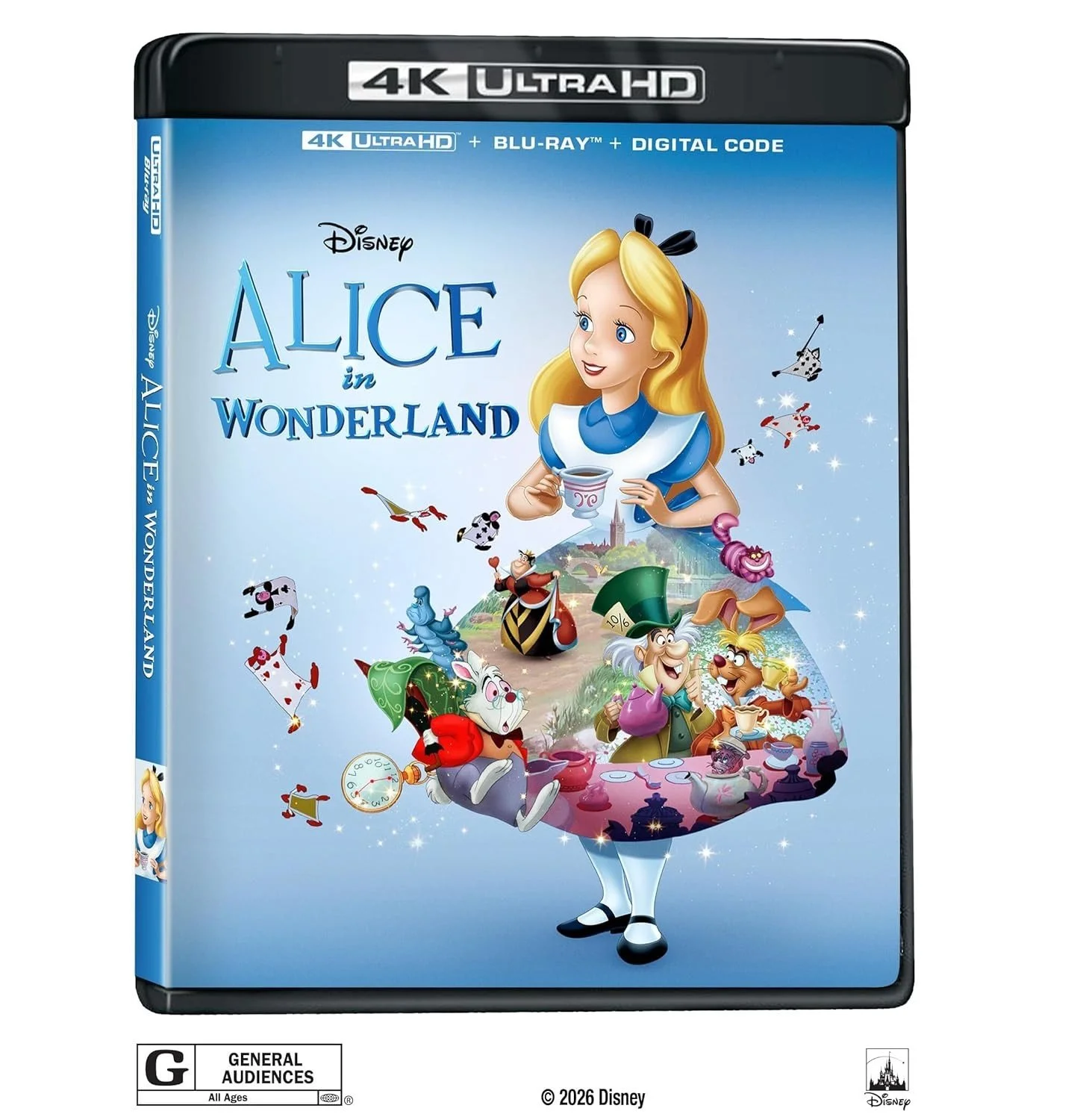
Again, you count. You make a difference. But you must pre-order or buy it within the first two weeks of release. Do not wait for the price to go down, because that’s a post-mortem price that reinforces the nay-sayers. Yes, money is tight, but consider it a ticket to the NEXT classic release and the continuance of the stuff you love.Let Alice in wonderland send the message that increased profits at loWer costs with heritage material, but it must be championed and marketed sufficiently. Alice in Wonderland is available for pre-order.
Give ‘em a nice, but significant, nudge.
https://www.deepdiscount.com/alice-in-wonderland/043396648623